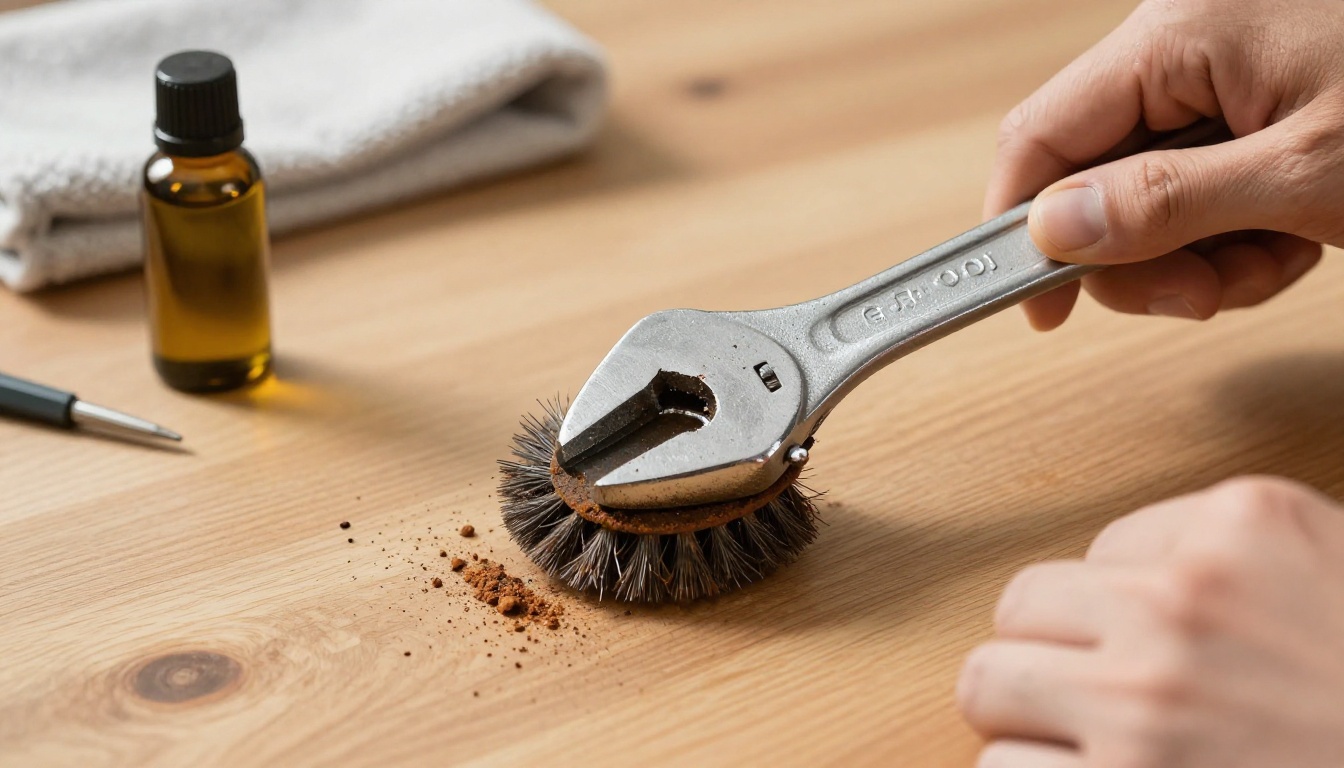
Picture this: you’re midway through building that backyard deck, and your favorite wrench flakes orange rust onto the wood. Frustration hits hard. That tool cost good money, and now it’s useless.
Rust forms fast in workshops. Moisture mixes with oxygen and attacks iron in steel tools. Sweat from your hands or humid air speeds it up. Stats show DIYers replace rusted gear to the tune of $1.2 billion yearly in the US, per recent hardware industry reports.
You can stop it with simple steps. We’ll cover spotting rust early, cleaning it off, protecting tools, and building habits. Your gear stays sharp, projects run smooth.
Spot Rust Early and Understand What Causes It in Your Shop
Rust is iron oxide. It grows when moisture, oxygen, and sometimes salt meet metal. In your shop, damp air from a humid garage traps water on tools. Spills from cutting oil or paint add fuel. Poor storage piles tools together, trapping wetness. Sweaty hands during summer jobs leave salt residue.
Check tools weekly. Look for orange spots, rough texture, or pitting that weakens edges. Early spots wipe off easy. Ignore them, and you face full replacement. Think of rust like an apple slice left out; it browns quick from air alone.
Catch it soon, and you save hours. A quick wipe beats a deep clean. Common victims include wrenches that pit at joints, saw blades that dull fast, and pliers that stick.
Common Workshop Conditions That Speed Up Rust
Humidity over 50% invites trouble most. Warm air holds more water, so summer garages hit 70% easy. Temperature swings cause condensation overnight. Water near sinks or from rainy days soaks in.
Garages in coastal areas suffer from salt air. It eats metal twice as fast. For more on humidity effects, check this EPA guide on indoor moisture control.
Fixes start simple. Run a dehumidifier below 40% humidity. Toss silica packs in drawers. These cut rust risk by half.
Visual Guide to Rust Stages on Metal Tools
Stage one shows shiny orange flecks on edges. Wipe them now; they vanish fast.
Stage two brings flaky powder that rubs off but leaves stains. Scrub harder here.
Stage three means deep pits and holes. Metal weakens, so tools break under stress.
Act at stage one. It takes minutes, not days.

Easy Steps to Clean Rust from Your Metal Tools at Home
Gather basics first: white vinegar, baking soda, steel wool, wire brush, gloves, and buckets. These cost under $20 total. Work in a ventilated spot. Wear eye protection because splashes sting.
For light rust, soak in vinegar one hour. Scrub with steel wool. Rinse well, then dry right away with a towel or compressed air. Patience pays; repeat if needed. I’ve rescued dozens of wrenches this way. Skip non-metal parts like plastic handles.
Tailor to tools. Files need gentle scrub to keep teeth sharp. Pliers get a quick dip.
Safety matters. Vinegar fumes irritate, so open windows. Test small areas first.
Vinegar and Salt Method for Quick Surface Rust Removal
Mix equal parts vinegar and salt. It bubbles on contact, eating rust loose. Soak tools 30 minutes to two hours.
Scrub gentle with a brush. Rinse under water, then dry immediate with a clean cloth. Air dry risks new rust.
This works best on hand tools like screwdrivers. Heat vinegar first for tough spots; it speeds the fizz.
Details on vinegar’s acid power appear in this Family Handyman rust removal article.
Heavy Rust Fix with Baking Soda Paste and Wire Brush
Mix baking soda with water into thick paste. Spread it on heavy rust. Let sit one hour.
Scrub hard with wire brush. Follow with vinegar rinse to neutralize. For power tools, grab an electric brush.
Dry full, then check for missed spots. This pulls deep rust without harsh chemicals.
Polish and Restore Shine After Rust Cleanup
Wipe WD-40 over clean metal. It displaces water. Follow with metal polish like Flitz on a cloth.
Buff with microfiber till shiny. Test function: does the blade cut crisp? Skip rough abrasives on coated finishes.
Your tools look new again.

Smart Ways to Shield Clean Tools from Rust Comeback
Oil fights back best. Wipe thin coat of 3-in-1 oil or Boeshield T-9 after cleaning. It seals out air and water.
Wax or silicone spray works too for light duty. Store smart: hang on pegboard over an oil drip tray. Tool chests need desiccants inside.
Control humidity with fans or dehumidifiers. Group wet-job tools separate, like saws from plumbing gear. For rare tools, use VCI bags that release rust inhibitors.
Apply monthly. DIY mix: mineral oil with beeswax. Costs pennies, lasts ages.
Best Oils and Coatings for Everyday Tool Protection
Pick based on use. Boiled linseed oil soaks in cheap. Camellia oil stays non-sticky for precision work. Paste wax buffs easy.
Here’s a quick comparison:
| Coating | Pros | Cons | Best For |
|---|---|---|---|
| Boiled Linseed | Cheap, penetrates deep | Dries slow | Saws, chisels |
| Camellia Oil | Non-gum, food-safe | Pricier | Files, knives |
| Paste Wax | Easy buff, shiny finish | Needs frequent reapply | Pliers, wrenches |
Thin layers beat thick globs. Wipe excess after 10 minutes. Reapply post-use.
See coating tests at Bob Vila’s tool protection guide.
Organize Your Workshop Space to Block Moisture
Elevate tools off concrete floors. Water rises in floods. Wall mounts keep air flowing around.
Seal drawers with weatherstrip. Add silica packs or rice in jars. They suck moisture.
Zone areas: dry bench for clean tools, wet sink for messy jobs. Audit monthly: fix leaks first.
Build Rust-Proof Habits for Busy Workshop Days
Wipe tools dry after every use. Sweat or water lingers otherwise. Takes 30 seconds.
Weekly, check oil coats. Air out the shop with fans. Seasonal full cleans prep for storage.
Track on a calendar app. Common slips: skip drying, cram drawers full. Fix with a quick tool log.
Spend 10 minutes daily; save hours on fixes. Tools last decades, work flows better.

Clean tools mean sharp cuts and tight fits. Spot rust early, scrub smart, coat always, and habit-stack these routines.
Grab one rusty wrench today. Hit it with vinegar. Share your before-and-after in comments.
Your shop stays rust-free. Projects finish strong. Download our free rust checklist below to start.
(Word count: 1487)